Glass of Chardonnay, Guv’nor?
English wine? Tea – sure, pints of bitter – definitely. For a country not traditionally associated with the artful maceration and maturation of grapes, England is doing pretty well, with over 420 registered vineyards. The largest, Denbies Wine Estate, south of London, picked up the International Wine Challenge Gold Medal for its Chalk Ridge Rosé 2010 and is putting Gallic noses out of joint with intriguing Champagne-style bubblies.
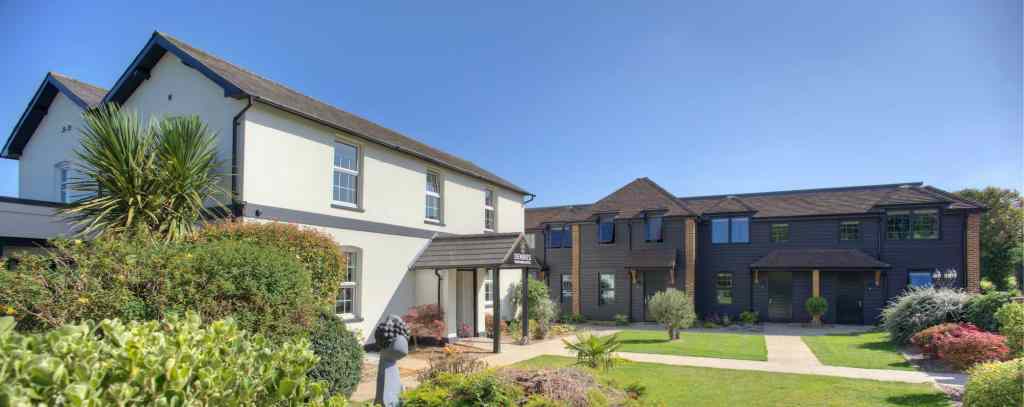
Denbies’ claim to fame is the location and soil composition of its vineyards – chalky soils and south-facing slopes frame a valley, which could easily be mistaken for a corner of the Champagne region. Coupled with the ever-delightful English weather, which allows for longer, slower ripening periods, this quick-draining soil creates near-perfect conditions for grapes destined for the cellar. Just 12 key staff tend to the 265 acres of vines and coax 400 000 bottles of wine from 19 varietals each year – and have done so since 1984.
The Denbies experience is geared for tourism, with vineyard and cellar tours, tastings, two restaurants and a farm shop. The pea-soup weather isn’t the most perfect backdrop to an unexpected sighting of a vineyard next to the London Road in rather unromantically-named Dorking, but it certainly invites exploration. The tower-topped welcome centre, part of a farm which has been part of the landscape since John Denbie registered his claim to it in 1555, houses the restaurants, souvenir shop, auditorium and tasting centre and is the gateway to the cellars.
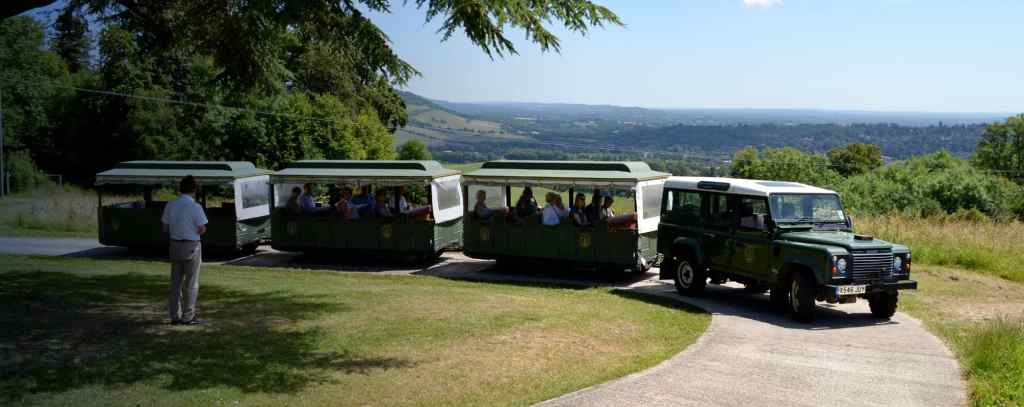
The vineyard tour, which starts at the welcome centre, takes visitors on a winding 45-minute trip up the valley’s bank in a ‘Vineyard Train’, a series of covered coaches pulled by a Land Rover. Recorded audio commentary tells the history of the area and vineyards, from Denbie’s first attempts at farming to current owner Adrian White’s redevelopment of the 627 acre estate into his county’s most prominent wine producer. Pausing at the top of the valley, the guide points out the blocks of grapes and the sprawling home where White and his family still reside – designed by Thomas Cubitt, the man also responsible for the design of one of Buckingham Palace’s ballrooms. Being England, the weather is often stereotypically damp and views are accordingly limited, but any sight of rambling vines generally does any oenophile’s heart good.
Back in the welcome centre to drip-dry, a spot of lunch isn’t a bad idea. The Servery Restaurant is a cafeteria-style eatery offering hot meals, sandwiches and pies on the ground floor, while The Gallery upstairs offers a fine-dining experience where artful dishes are paired with the estate’s wines in a cosy 40-seater with panoramic views of the valley.
The Cellar Tour starts with an interesting but neck-cricking 360 degree video presentation on the history of the estate, giving insight into the dreaded ‘terroir’, harvest techniques and showcasing the vineyards on a rare sunny day. From there, it’s into a series of ‘People Movers’ – 8-seater cars which run on a track through the cellars and more audio commentary detailing the production process. At the end of the short trip through the cellars, visitors are met by a guide in the gloomy tasting room. A map dominates one wall, detailing the topography of the estate and pointing out which grape varietals are grown. The predominantly-German vines grafted onto US root stock throws up some new names for South Africans raised on Chardonnay and Cabernet with Dornfelder, Bacchus, Reichensteiner and Muller Thurgau hinting at an interesting tasting session. Three wines are on offer for tasting – with or without food pairing – with an explanation from a well-versed staff member and an opportunity to ask questions. The wines are fascinatingly complex and show the touch of New Zealand winemaker Brendan Seal in the weight of fruit and noteworthy balance.

The tour inevitably ends in the gift shop, where tour participants are offered discounts on the estate’s wines – one red, six whites, two rosés and four bubblies offer a decent choice. Prices range from £7.75 (around R140) for Seyval Blanc/Reichensteiner blend “Flint Valley” to £25.00 (around R445) 100% Pinot Noir “Cubit Reserve” sparkling.
Denbies doesn’t have the benefits of French winemaking history or all-in Napa Valley hype, but the estate is quietly setting about making a name for the novelty of English wine on the international stage.
*A version of this article was originally published in City Press on 2 September 2011.
Categories: Food & Wine
 wineoclock