Try Tokyo
A polite cough at my shoulder drew my attention from my phone. Gesturing at it, the woman looked at me and smiled, expectantly. Unfurrowing my brow, I pointed out the street corner I was hoping to reach, on the map on my screen. She beckoned me on and led the way. A left away from the exit of the Shinjuku Metro Station and a right, pausing before leading us across a busy intersection. She led me down a tree-lined street and paused at a break in the canopy. She pointed up and I glanced skywards to see the Tokyo Metropolitan Government Building looming above me. A bow of the head, hands steepled together and she was gone – back in the direction I’d just come from.
Experiences like this sum up a visit to Tokyo – despite not being able to speak the language or read kanji, it’s easy to find your way around one of the world’s most vast cities, thanks to help – often unbidden – from friendly locals, 99% of whom spoke no English. Nothing was asked, offers of thanks were politely refused and people returned to their lives, having helped a lost-looking tourist find their way, as a simple matter of course.
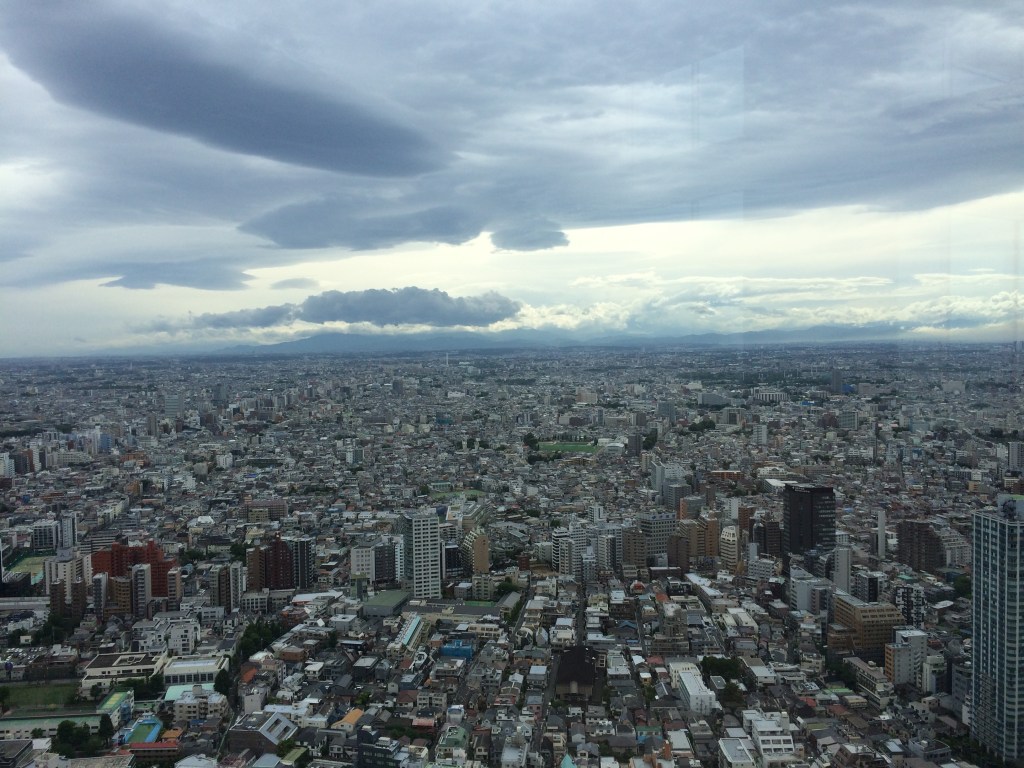
Alighting the lift in the Tokyo Metropolitan Government Building, 202 metres above street level, offers a staggering – and free – perspective of Tokyo’s sprawl. The population of the ‘wards’ which make up the Tokyo metropole exceeds 40 million – it’s the world’s most populous metropolitan area. To me, one of the greatest gifts of travel is the perspective it affords me, like contemplating the blip that human existence has registered on the cosmic scale when standing before a million year-old natural wonder. Or staring out over Tokyo and trying to comprehend how one city which houses the equivalent of 90% of South Africa’s population within its bounds, manages to feed, house and transport all those people every day – and flourishes, while doing so.
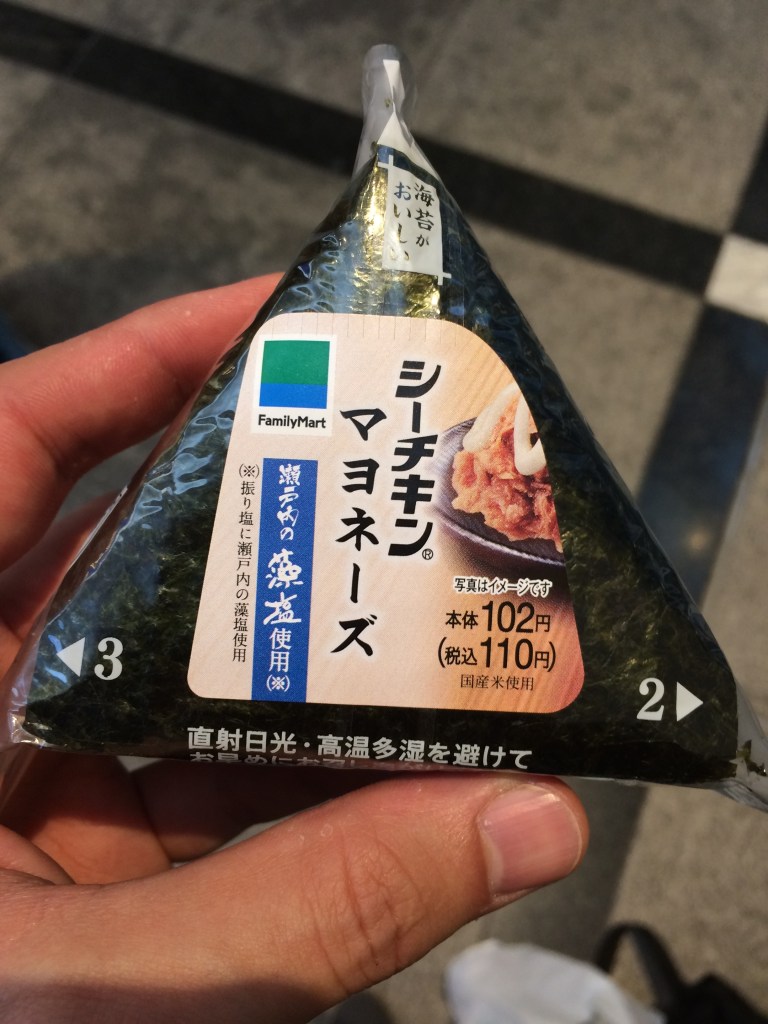
More than 3.5 million passengers pass through Shinjuku’s Metro station, every day – in fact, of the world’s 51 busiest railway stations, just 6 are outside Japan, with more than half on the list situated within the borders of Tokyo. Those millions of people need to be fed every day and the array of options available to them is staggering – economy of scale dictates that prices of all but the most specialised foods are accessible. From R4 000 per kilogram perfectly-marbled Wagyu beef to R25 ‘combini’ (convenience store) cold rice balls stuffed with fish and wrapped in crisp nori (seaweed), the food is plentiful, fresh and largely affordable. The rice balls became a staple on the trip – I braved a number of options and was only left disappointed twice: once by a bizarre, glutinous, floral violet filling which I still can’t comprehend and another, which turned out to be a ham & cheese-filled version, politely whisked from my basket and nuked in a microwave before I had a chance to query it.
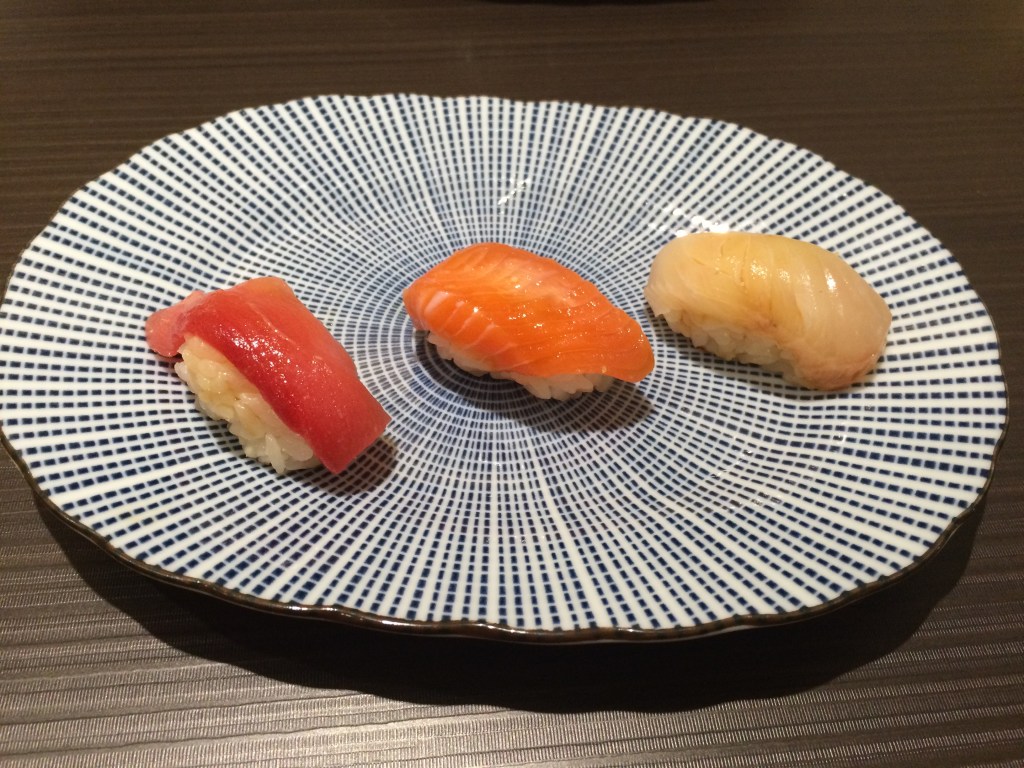
Experiencing the culture of sushi in Japan is worth the trip, alone. Whether visiting a formal restaurant or popping into a hole-in-the-wall conveyor belt establishment, the fish is beautifully fresh and the rice, soft and deftly-flavoured with different vinegars, depending on the variety of fish perched atop it. The bulk of ‘standard’ sushi is what South Africans identify as sashimi or nigiri – there’s not an avocado or a crab stick in sight and the idea of battering and deep-frying a delicate piece of tuna would probably bring a sushi chef to tears. Don’t expect to get a dish of soy sauce either – a thin layer is applied to each piece by the chef with a small paint brush, before being placed reverentially in front of you. Trusting in the expert chef and opting for ‘omakase’ – ‘chef’s choice’ – broadened my sushi horizons immeasurably. The idea that there are over 50 different flavours to be coaxed from a single tuna fish, is alien to Westerners – here, it’s a skill attained after decades of practice by a dedicated chef. A piece of fatty tuna in the hands of a sushi master is a beautiful thing – giving new meaning to ‘melt-in-the-mouth’, with a hint of tongue-coating fattiness which allows the slightly salty soy and rich fish flavours to linger a moment, before your next bite.
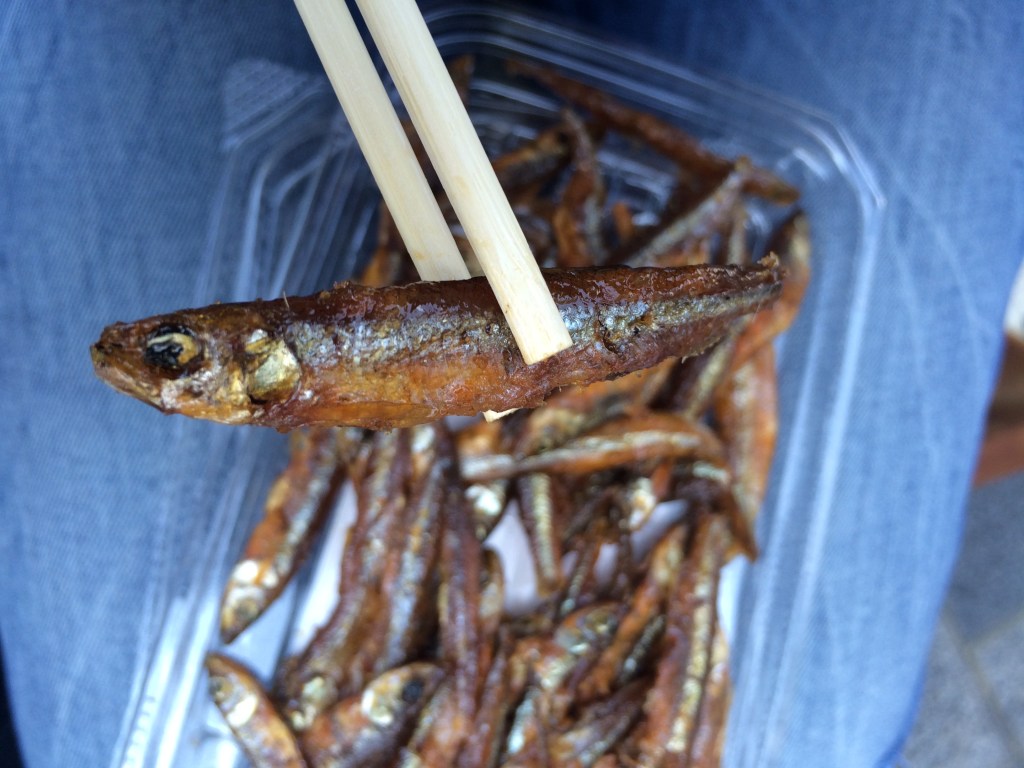
Izakaya are a breed of ‘gastropub’, where hard-working everyday folk go to socialise and enjoy an after-work drink, paired with tapas-style food. Often at basement level, izakaya can seat 3 people at a counter or a hundred, at tightly-packed tables. The language barrier is a challenge – few menus have any English and even fewer, pictures – but in the absence of a specific order, the chef will send you whatever he thinks you’ll like and the waiters will pour you sake until you raise your palms in defeat. At one, which I regret I’ll never find again, no matter how hard I try, my waiter placed a selection of stunningly-fresh sushi plates before me. Explanations thwarted by the mutual language barrier, he returned a few minutes later with a carefully transcribed, translated description for each simple, beautiful dish in English. “Google,” he said, with a bow, and returned to the kitchen.
Golden Gai, close to the eastern exit to Shinjuku station, is a great lesson in local food culture. This tiny cluster of 6 alleyways – many only wide enough to admit one person at a time – is home to over 200 restaurants. If you agree that meals should be an experience for all the senses, then visiting Golden Gai is almost overwhelming. Restaurants are crammed into every corner, perched atop each other and sometimes even share the same tiny space. The soundtrack is ‘sizzle’, with the speciality at many of the clustered restaurants being yakitori – dazzling arrays of flame-grilled chicken – washed down with crisp Suntory lager or sneaky rice spirit ‘shochu’. One plate can contain as many as five different expertly-grilled chicken elements – a skewer of perfectly-crispy zig-zagged skins, another of marinated thighs, a row of incredibly tender hearts, a line of livers and simple, but incredibly tasty cubes of chicken breast.
Generally, if there’s an English(ish) menu posted outside, it’s ok for tourists to venture in. With others, there’s a strict – but polite – ‘locals only’ policy where the only way for even a Tokyo resident to get a seat is at the invitation of the chef. Trust me, you’ll know from the looks you get when you step in the door, which one you’re at. Spoken language may be a barrier, but body language is universal! Golden Gai looks like a ramshackle mess waiting to burn down at the lick of a greasy flame, but its remarkably clean, crime-free and offers a great insight into a quintessentially ‘local’ experience that has survived centuries of high-rise development, around it.
With space at a premium, hotels in Tokyo can be expensive. Any cliché dreams of emulating Bill Murray and Scarlett Johansson’s Lost In Translation stay at the Park Hyatt Tokyo are quickly extinguished when you’re upwards of R11 000 per night for the hotel’s most basic, 10m2 room. There are loads of cheaper options, like Airbnb apartments, which will set you back less than a decent South African hotel and give you the chance to experience local life – often thanks to excellent recommendations from your host. Many Airbnb properties come with free portable WiFi routers that you can pop in your backpack to help you navigate and stay in touch. One even had me connected on high-speed cellular while at least 10 storeys underground, on a rushing metro train.
While there is plenty about Japanese culture to admire, there are many elements that can only inspire slack-jawed wonder in we gaijin. One is the ‘kawaii’ movement, with its epicentre in Harajuku.
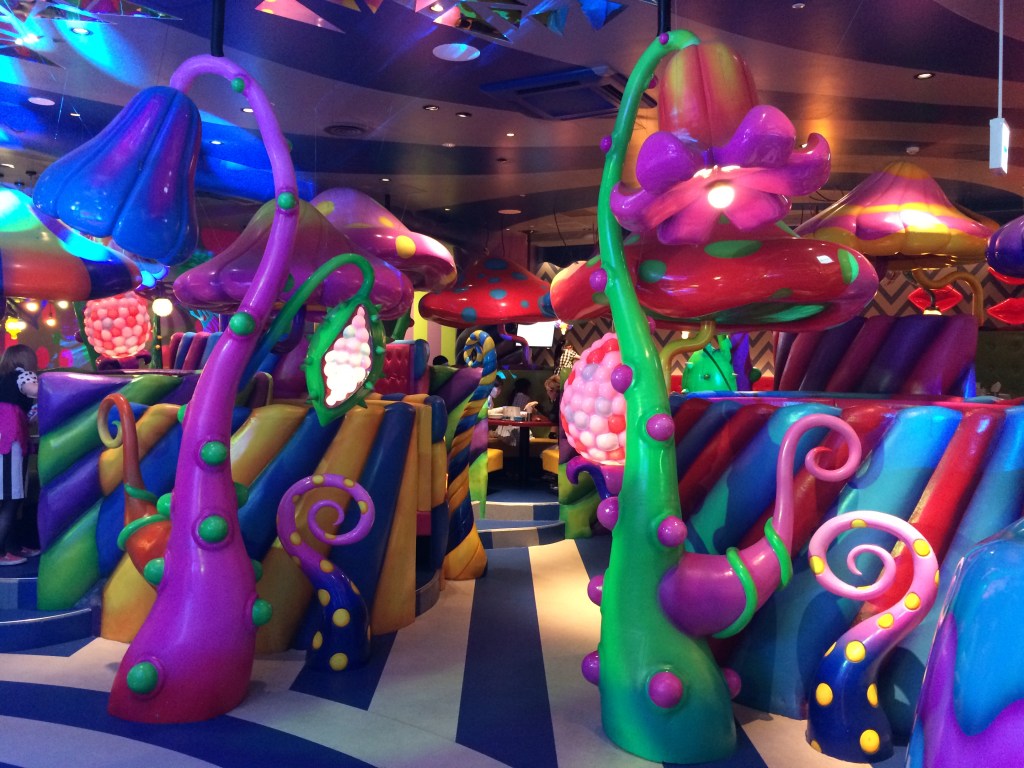
‘Kawaii’ means ‘cute’, and the locals do love testing the limits of the word. In Harajuku, ‘anime’ comes to life as people dress up as popular comic fiction characters, or even just their own creations – often just for the sake of it. At the Kawaii Monster Café, the psychedelic carousel just inside the entrance is just the tip of the iceberg. The waitresses have candyfloss hair, fright-show makeup and elbow-length gloves. The food is multi-hued and served with rainbow sauces – desserts sprinkled with glitter and served in cat bowls. Arrive there on your birthday – or claim it’s your birthday, for the fun of it – and the waiters will gather ominously and serve you a massive slice of rainbow cake, to the tune of a death-metal rendition of ‘Happy Birthday’, while the strobe lights flicker and flash around you.
Tokyo is the epitome of ‘weird & wonderful’ – and the balance may make it just about the world’s most perfect city.
- A version of this story appeared in the December 2016 issue of Sawubona.
Categories: Travel
 wineoclock