The Future of Dining Out
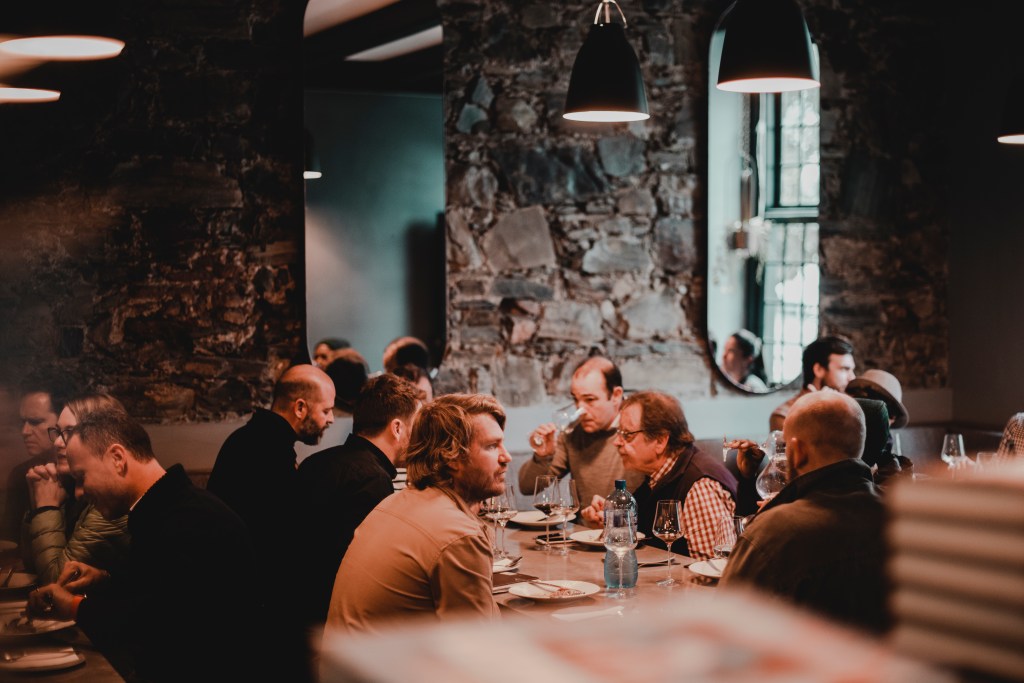
At its most basic, eating is a function essential to preserving life – and at its most extravagant, it’s a celebration of ingenuity, endeavour and even art. When humans come together, we dance, dine or sing – whether in celebration, worship or protest.
Eating is one of humanity’s great communal, social activities and the option to gather at restaurants to dine is a great privilege. Like most social activity, dining out was halted in its tracks by the COVID-19 pandemic, and the very nature of the experience means that it will have a very different face in a world where physical distancing is the norm.
Sit-down restaurants would appear to be a high-risk viral hotspot in a post-pandemic world – but not so, say The Restaurant Collective, a South African industry body dedicated to providing a clear, consistent and unified voice for the sit-down restaurant industry. The sit-down restaurant industry in South Africa, comprises more than 13 000 establishments and employs over 500 000 people – and is entirely separate to the take-away and fast food industry, which employs several hundred thousand more. The Collective argues that properly-managed sit-down restaurants are considerably safer and less congested than public transport or standing in supermarket queues.
Building Trust
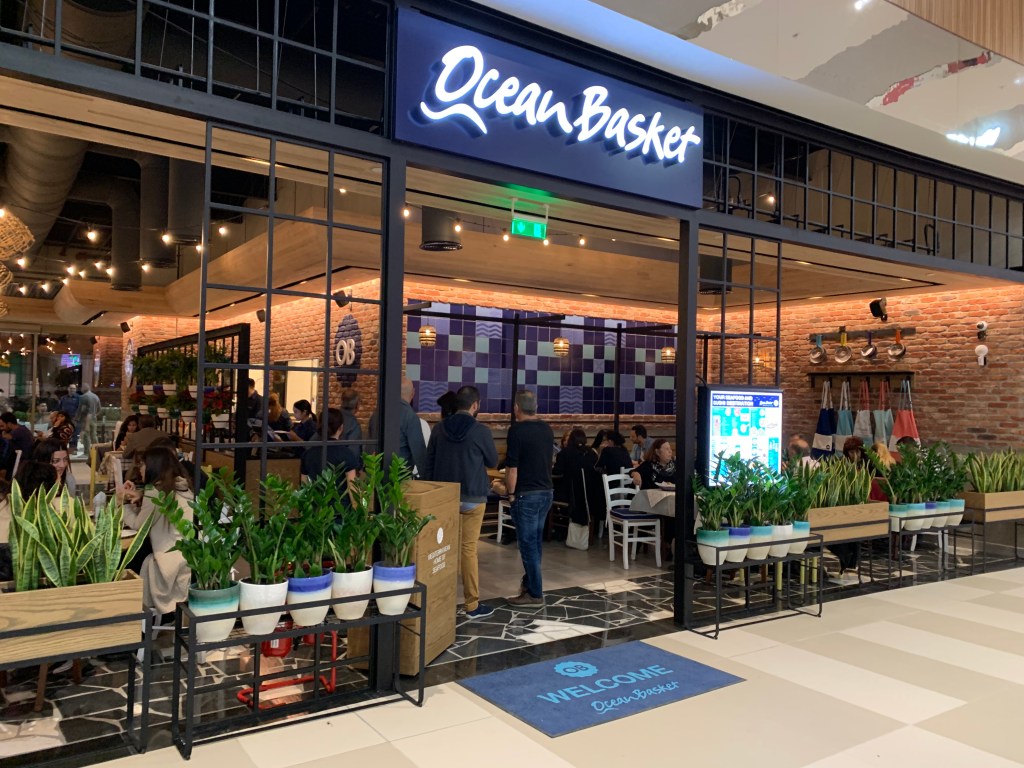
They say they’ll be able to operate safely, but how do restaurants go about (re)establishing trust with diners? Ocean Basket CEO Grace Harding – who also heads up The Restaurant Collective – says that principally, patrons will be able to actually see evidence of the safety protocols. “They will see the distance between tables, masks on waiters, no touching of menus, and sanitiser being used before anything is touched – from a tomato sauce bottle to the credit card machine,” she says. Liam Tomlin runs the Chefs Warehouse group & Thali in Cape Town, as well as Brugarol in Barcelona. “We’ve always run our restaurants professionally, deep cleaned our kitchens regularly and maintained high standards,” he says. “Nothing will visibly change, except for the use of sanitisers and bigger spaces between tables”.
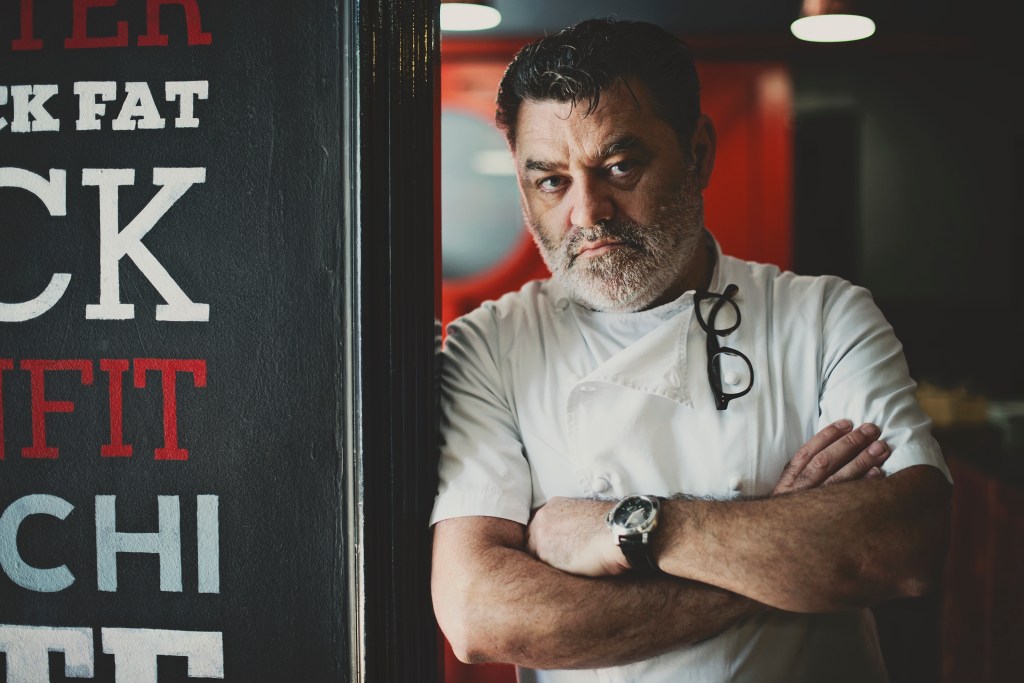
That experience, he says, will change – but the restaurant environment, which is what diners come out for, should change as little as possible. “I’ve seen some restaurants overseas putting up shower curtains and ridiculous things like that as screens – we’re looking at interesting ways to do that, like incorporating art on tasteful screens, to make them a positive part of the experience”. He says that they’re reluctantly going to have to take reservations – which they’ve never done at two of his restaurants – to manage numbers. “The second things get back to normal, I’ll stop that – I want things to go back to the way they were”. Tomlin says the idea of having two seatings is maddening – rushing customers through a meal and presenting them with a bill at 20:00 so the next group can use the table – but that smart concessions will have to be made, to help the restaurants survive. “After 9/11 we had to adjust to all sorts of new security protocols at airports – arriving early for extra screening and restrictions on what we could take along. It became part of the experience, and things like regular sanitising are going to become part of the restaurant experience”. He says that, if anything, the occasion of going to a restaurants is going to be more like it was when he was younger. “When I was growing up, we went to restaurants to celebrate occasions. We dressed up and it was a big deal – not just something you did at the drop of a hat”.

Harding says that experiences like buffet-style eating will probably not surface for a while. “There’s no reason for family-style eating to be compromised because people who choose to eat together will have made a decision that it is safe to do so,” she says. In terms of the experience that people want from dining out, she says that though some adjustments are going to have to be made, things like what makes a romantic evening out, special, is still in the hands of the diners. “Feeling welcomed and spoilt will be a greater challenge perhaps – but when restaurant staff show genuine hospitality, it will be visible through masks”. Tomlin says that the food is just a small percentage of the restaurant experience. “I love going to restaurants and every element of the experience adds another layer that makes it wonderful – from the chair to the wine list, the wine glasses to the music, the interaction with the waiters, the ambience – it’s hard to beat going to a beautiful space and having someone look after you”.
A Return to Dining Out
While many people ‘rediscovered’ cooking and baking under lockdown, Tomlin says that there’ll always be a place for a great dining experience at a restaurant. “People will emerge from the period as much better home cooks, but they’ve been cooking because they’ve had to, and because they’ve had the time. Once everyone starts working Monday to Friday again, having the take the kids to school and doing all the normal things we used to, the last thing we’ll feel like is spending all day in the kitchen!” he says.
He says the post-lockdown world will see fewer, better quality restaurants in operation, which is probably for the best. “Before we went into lockdown, we had too many restaurants. Those who haven’t been running their businesses legally and professionally probably won’t make it, so we’ll see less restaurant seats – which means a greater chance of survival for those who have managed”.
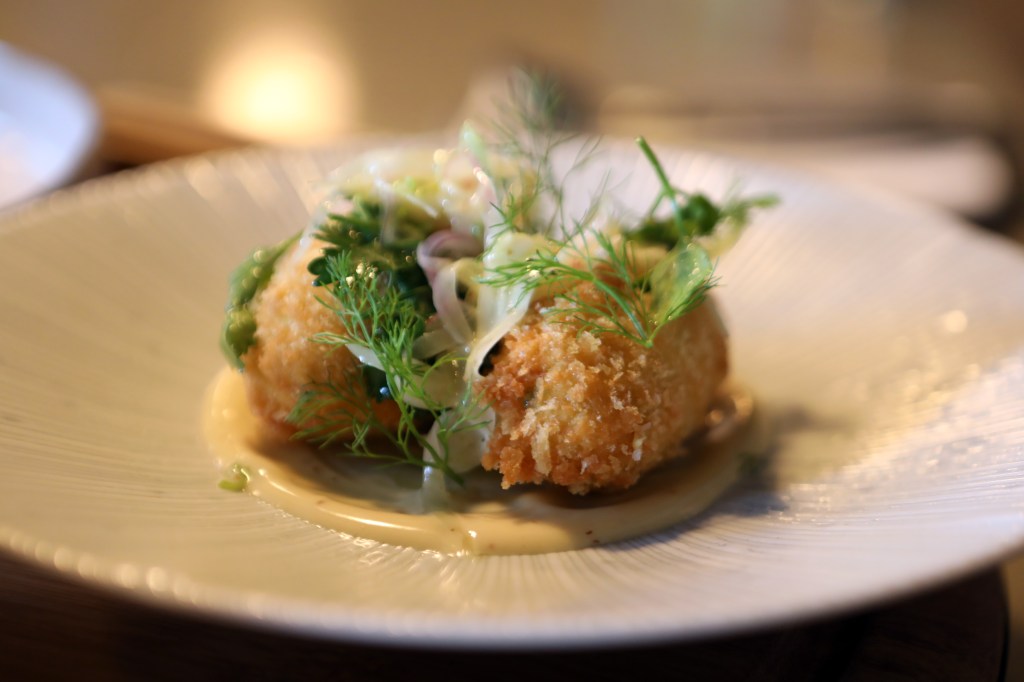
Speaking of Danish dining leaders NOMA, which morphed from serving a 20-course tasting menu, into a burger & wine bar, to keep going, he says: “That’s brilliant for René Redzepi, but I haven’t worked for 40 years to turn my restaurants into burger joints. When we come back, we’ll be guided by the new rules and regulations, but I’m not reducing prices, offering 2-for-1 specials or compromising on standards. People who come to our restaurants, come for a reason, and we want them to have the same experience they had before”.
Back-of-House Changes
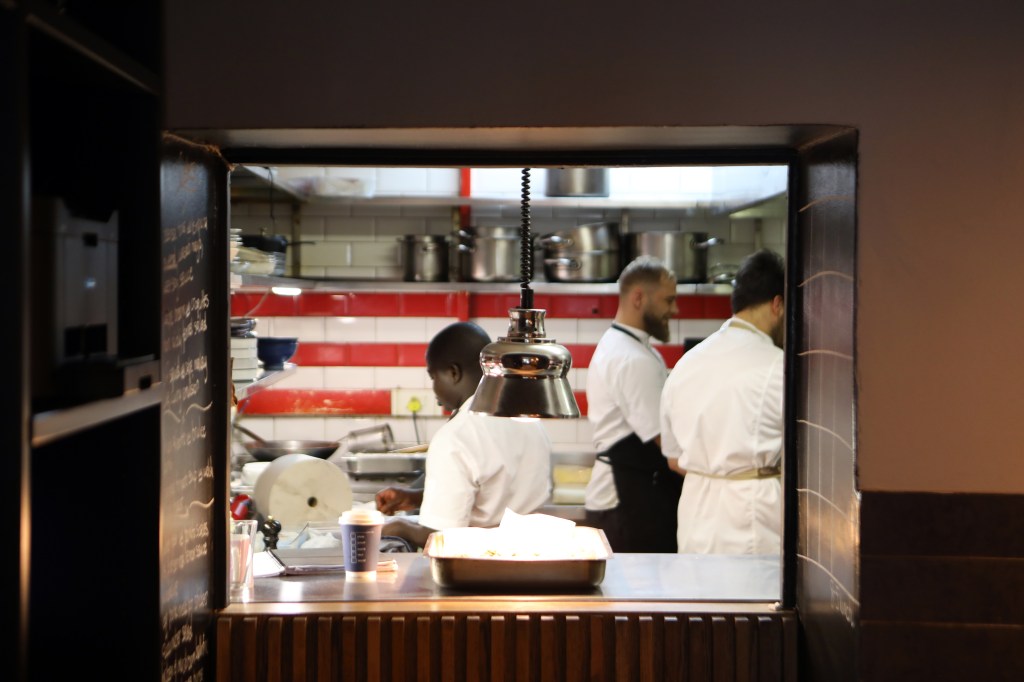
While there’s plenty of focus on the new experience for diners, there’s also plenty to consider in terms of how things work for the staff. The way produce arrives at restaurants and how staff members cope in confined kitchen spaces is something that needs to be addressed. Tomlin says his team has been working on an operating manual that details all the steps they’ll have to take to operate safely again. “We have to change everything – how and when we receive deliveries. How the people making the deliveries won’t come into the kitchen and will pack the produce into our own sanitised boxes and take their packaging away with them. We’re going to have to operate two kitchen teams, who never come into contact with each other and check temperature and monitor for symptoms all the time – it’s a lot to consider on top of additional layers of sanitising and protection”.
Tomlin says that something he foresees becoming an attraction is the option for private dining. “Some people will be more comfortable eating in a space away from other diners, so that’s something we’re working hard at implementing. We have that option already at the Beau Constantia restaurant and we’re doing some major work at Thali on making space for that,” he says. “I want to come out of this positive – I haven’t earned a cent in three months and have paid out millions in insurance, VAT, rent, salaries for over 300 staff and paid suppliers, where I can. We’ve been using this time to repaint the spaces, sand floors and tables and make big changes. We’ll be ready to welcome back diners, safely, to enjoy a wonderful evening out again, soon. I’d rather close, than compromise”.
 wineoclock