SA’s Maverick Winemakers
South Africa makes plenty of great wines, which deserve to stand alongside the ‘finest’ in the world. For whatever reason – perception, the relatively low cost driven by the weakness of the Rand against major currencies or something more ethereal – our wines often find themselves firmly in the ‘value’ category, rather than as serious international contenders alongside wines from France, or even America.
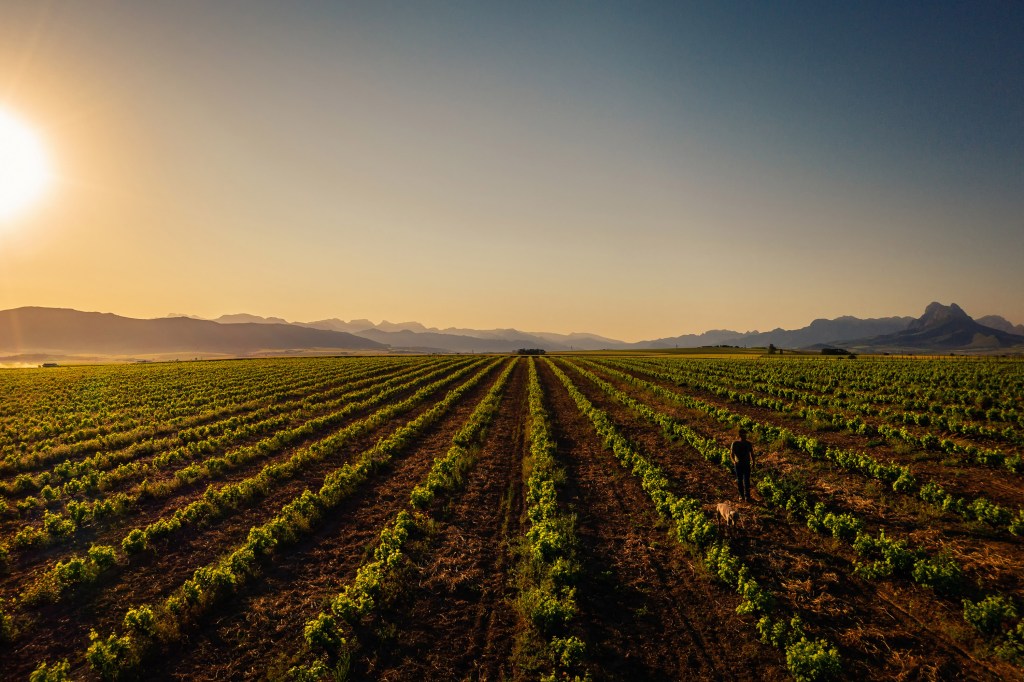
There are a few estates which have made inroads into international ‘investment wine’ territory – Sadie Family, Kanonkop, Meerlust and the like – but there’s a case to be made for the fact that our big opportunity, then, is innovation. Winemakers who are willing to work with varietals outside the South African ‘tradition’, or develop wines in interesting styles, which showcase the best of our country’s dramatically wide-ranging terroir, can carve out a unique place for our wines on an international stage.
Damascene Vineyards winemaker Jean Smit’s understanding of Syrah, in particular, was shaped by his time in the Rhône valley at Domaine Michel et Stéphane Ogier – though his first vintage is a homage to the South African vineyards and soils he draws his grapes from. What started as a conversation around making wine from Pinot Noir planted on the Elgin estate of former Château Gaby owner David Curl soon revealed a shared passion for celebrating unsung pockets of South African terroir – and Damascene Vineyards was born.
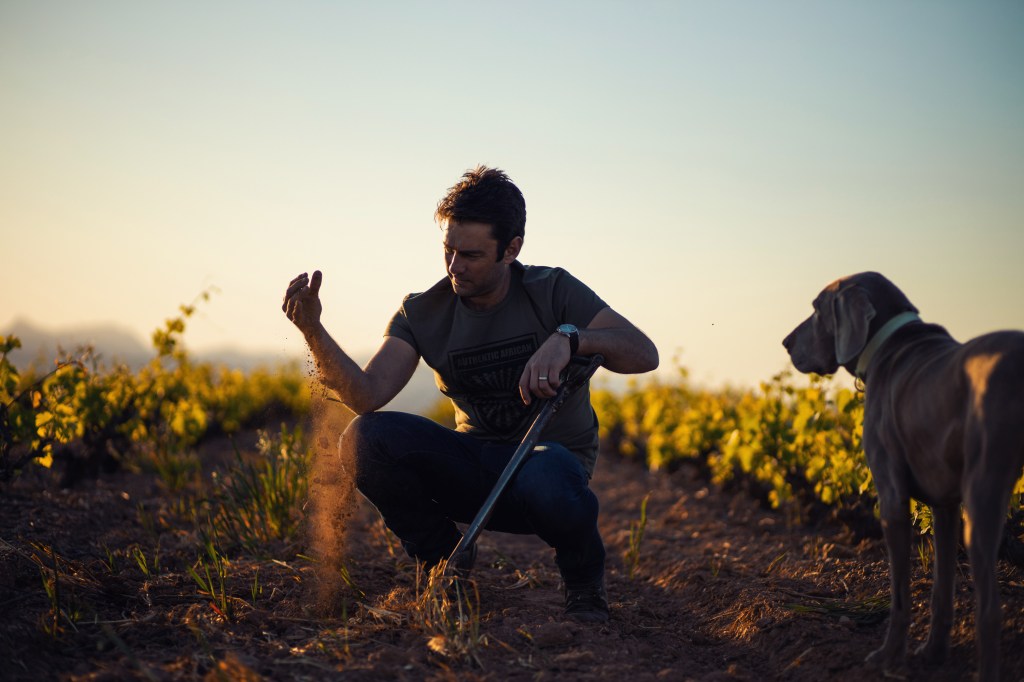
The first (2018) vintage of Stellenbosch Syrah & Cabernet Franc and Franschhoek Semillon sold out quickly, showing that the pair’s maxim of ‘less cult, more cultivation’ – the concept that the journey to great wine can only begin in the vineyard – rang true with consumers, too. The wines are made from grapes sourced from more than 20 different vineyards across the Western Cape, with each matured and blended by Smit to create what he believes are the ultimate South African expressions of the varietals.
Smit’s focus on the three launch varietals was driven by his specific affinity for them. “Semillon was one of the varietals in the very first planting in the Cape back in the 1600’s by the Dutch East India Company and is therefore at the core of our industry’s history,” he says. “Cabernet Franc is very site-specific all over the world, but when you get the perfect match, it is hard to beat it as a wine. Syrah is the varietal that can best showcase the diversity of our terroir by making great wines from various regions. We’re only scratching the surface with this varietal, in particular, and we’ll soon see it flourish in the most unique and unthinkable corners of South Africa”.
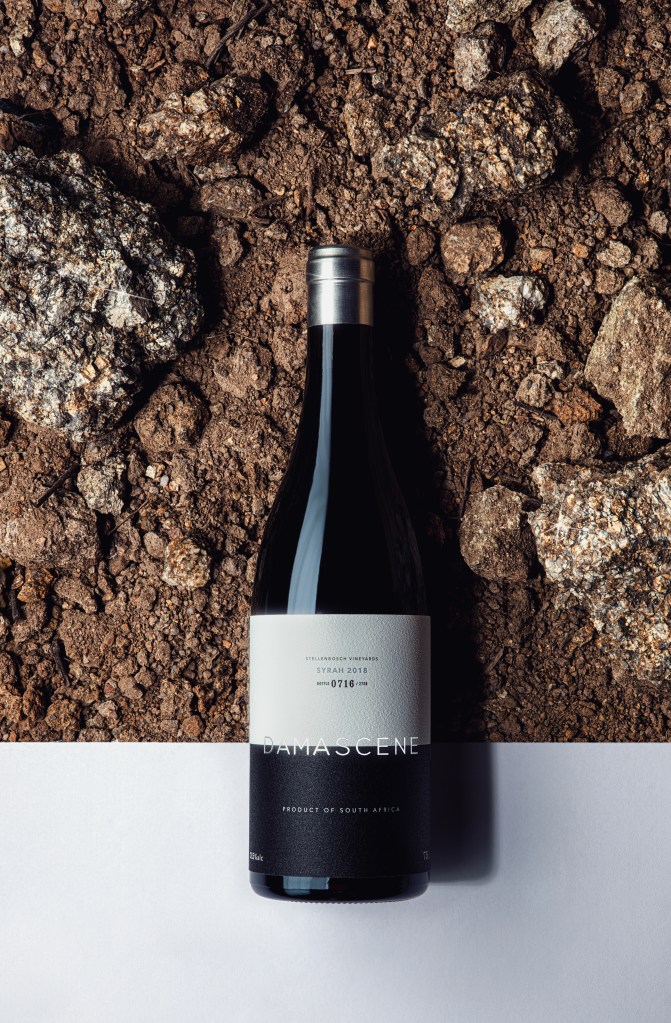
Smit used ten different fermentations from two parcels of grapes to optimally showcase the power of Shiraz in the 2018 vintage. “Each pocket within these vineyards either leans stronger towards perfume, charcuterie, spice, fruit, structure or elegance – these batches are all treated differently in order to express these characteristics to its fullest potential in the final wine,” he says. “We had 29 Syrah fermentations in 2020. We’re also planting new vineyards on both existing vineyard sites and previously unestablished sites to push the boundaries even further”. He’d rather use technology sparingly in production, believing it takes away from the individual vineyards’ typicity. “I get excited if people can pick-up where wines come from in blind tastings for all the right reasons, rather than trying to manipulate an average wine to get the highest rating in a wine challenge,” he says.
Lukas van Loggerenberg’s maiden self-named vintage in 2016 – in particular, a Chenin Blanc produced from grapes from a vineyard planted in Paarl in 1960 – caught the eye of local and international wine lovers because of his light touch and the wines’ resulting low-alcohol elegance. Two Chenins – one named ‘Kameraderie’ for the help he received in setting up his label and ‘Trust Your Gut’ from benchmark Swartland and Stellenbosch vines, a ‘Breton’ Cabernet Franc, a serious ‘Break-a-Leg’ blanc de noirs made from Cinsaut, ‘Geronimo’ Cinsaut and ‘Graft’ Stellenbosch Syrah are all characterised by immense depth which bely his simplistic approach. “There’s no need to overcomplicate wine. It’s already a beverage with dozens of styles and forms, so just be honest and believe in what you do, and the end user will taste it,” he says.
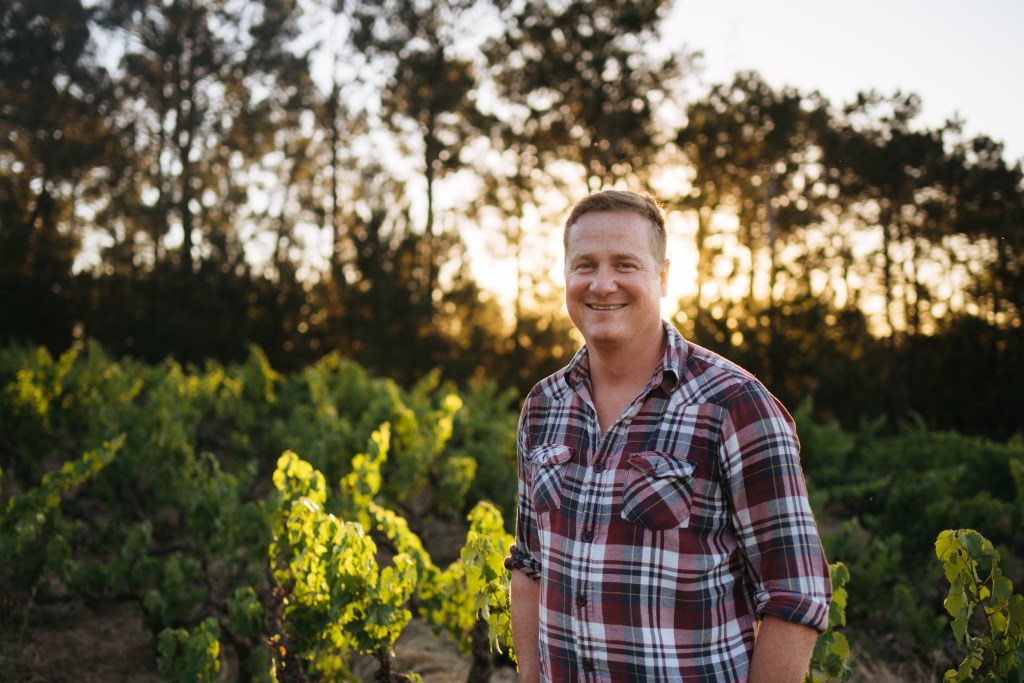
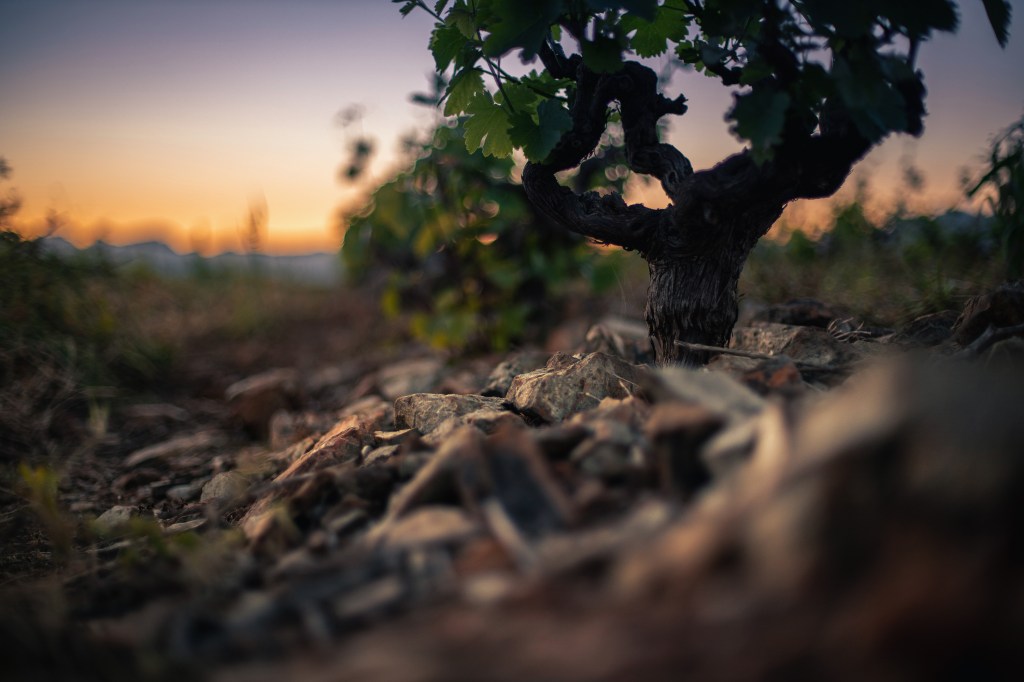
Working with old vines is special to him. “It really gives you goosebumps. Not only are you working with history, but you’re also exposed to the magic of nature and viticulture,” he says. “These older vineyards give you the respect that they receive during the growing season. In our current drought era, they just know what to do to survive these tough times. The grapes from these wines obviously carry less fruit, but the yield is a winemakers dream!”. He also doesn’t use any commercial yeast, enzymes or fining agents when producing the wines – emphasising terroir. “When people drink our wines, anywhere around the world, I want them to taste and feel the area and the soil where the grapes originated”.
Publik owner David Cope developed the Kolab Project label for sale from his stores in Cape Town and Johannesburg to give winemakers the chance to release wines which they don’t necessarily feel fit their own label, but that they wanted to produce. The anonymously-produced range includes ‘Disturbance Red’ (from one of the Cape’s most revered white-wine producers, based in the Hemel-en-Aarde Valley); ‘Mr Fantastic’ (a white blend of Clairette Blanche, Viognier and Chenin Blanc from a top local vigneron) and ‘Ghost & The Darkness’ (made by a top winemaking couple in SA and inspired by classic old blends of the Cape, popular 50-60 years ago – using Cinsaut, Cabernet Franc and Cabernet Sauvignon).
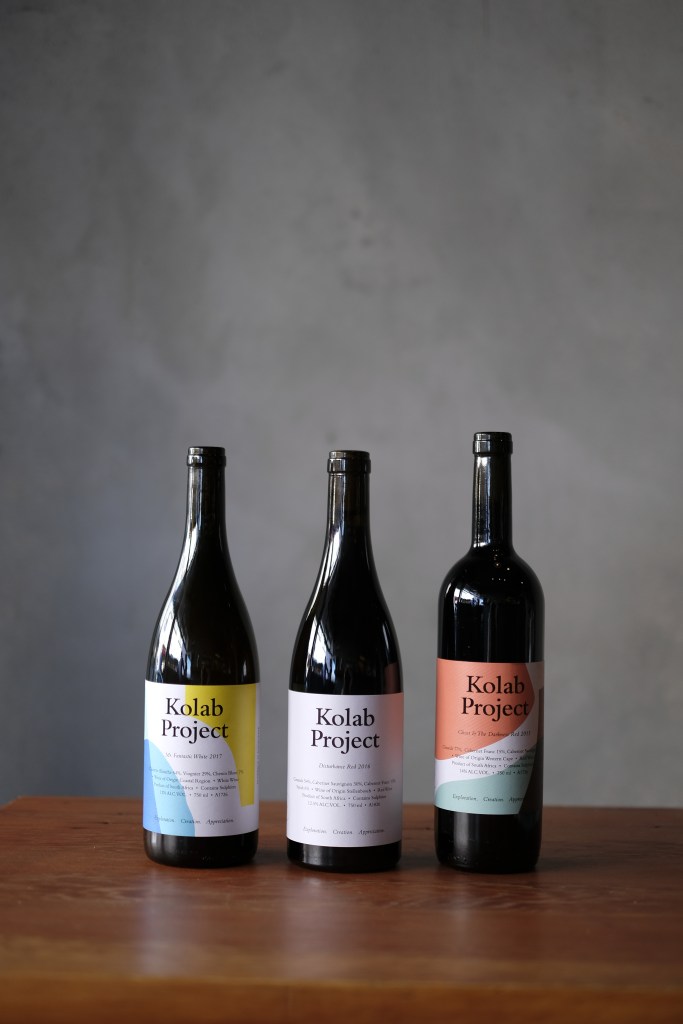
“Rather than being blended away or sold off, Kolab Project gives the winemakers a means to reach consumers and share wines that deserve to be enjoyed,” says Cope. “They’re always experimenting, and aside from that, will often only use a portion of their production, so rather than brief new wines to be made we connect with winemakers on what they are busy with or have made, to discover new wines”. Publik works with the niche, artisan wines which are often made from unusual grape varieties and from lesser-known wine producers. Cope says that winemakers definitely have a role in educating – as does Publik – but they are trying to educate and introduce consumers to the world of artisan wines outside of the mainstream wines.
Van Loggerenberg and Cope agree that Cinsaut is an underappreciated varietal in South Africa – but that it’s gaining traction. “We do justice to a lot of varietals here – Chenin Blanc and Pinotage are leading examples – but I also think Colombard is also a vastly-underestimated varietal that’s a big part of our winemaking past,” says van Loggerenberg. Cope believes that the trend for light, easy-drinking red wines will continue to grow, meaning grapes like Cinsaut, Grenache and fresher-styled Pinotage will do well.
Smit says that the ‘next big thing’ in South African wine is Syrah from unexpected locations. “Chenin Blanc is another varietal that can produces great wine from a lot more regions, other than Swartland and Stellenbosch,” he says. “The possibilities for both white and red Mediterranean blends are endless, with unthinkable value for money, even though they have been around in SA for a decade or more”.
Confirmed Chenin devotee van Loggerenberg thinks that rosé wines will become more popular. “I also think a lot of youngsters will play more with traditional varietals like Cinsaut and Colombard – but ultimately I think that South Africa produces something that will fit any person’s needs, local or international”.
Categories: Food & Wine
 wineoclock